Pasadena is home to a diverse workforce that includes healthcare providers, hospitality professionals, hotel staff, restaurant employees, event personnel, senior care workers, and countless other service-oriented occupations. These industries share one important characteristic: employees interact with people every day.
Whether assisting patients in a healthcare setting, welcoming guests to a hotel, serving customers at a restaurant, or managing events at a conference venue, professionals in these fields often work directly with the public. Because of this constant interaction, they may be among the first individuals available when a medical emergency occurs.
While emergency medical services provide advanced care, responders need time to arrive at the scene. During those critical first minutes, the people already present often become the first line of assistance. This is one reason CPR training is commonly encouraged or required in many healthcare and hospitality environments.
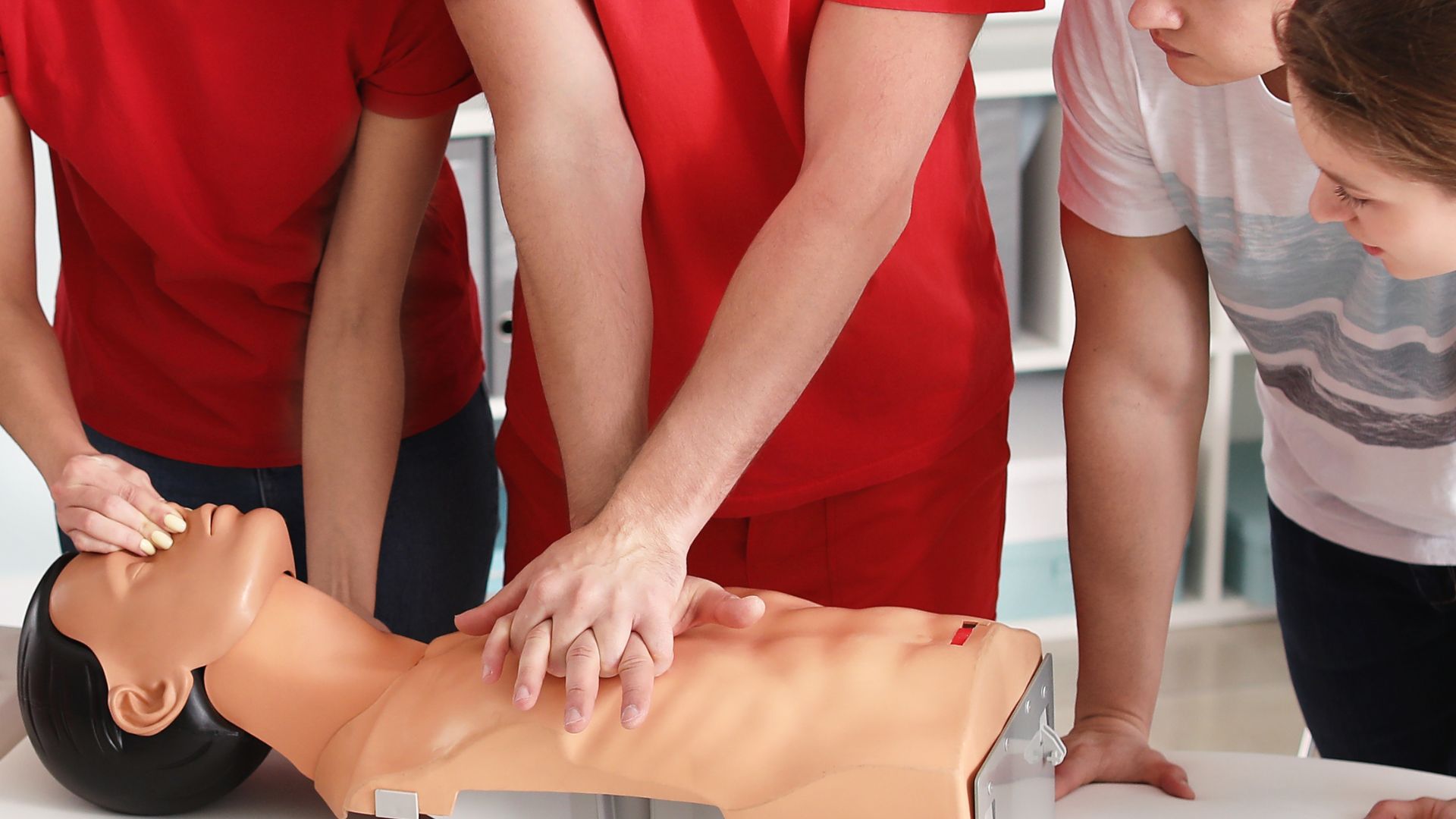
However, not all CPR training experiences are the same. Hands-on learning provides opportunities to practice skills, build confidence, and develop familiarity with emergency response procedures in ways that are difficult to achieve through theory alone. For many Pasadena professionals, participating in a CPR Certification course that includes hands-on practice can help strengthen preparedness and improve confidence when responding to real-world emergencies.
Why Healthcare and Hospitality Professionals Face Unique Responsibilities
Healthcare and hospitality employees often spend their workdays serving people with a wide variety of needs.
These industries regularly interact with:
- Patients
- Hotel guests
- Restaurant customers
- Event attendees
- Tourists
- Business travelers
- Families
- Older adults
Because they serve diverse populations, workers in these fields may encounter individuals experiencing unexpected medical issues.
While no one hopes to face an emergency at work, preparation helps employees feel more capable when situations arise.
Emergency readiness is an important part of maintaining safe and professional environments.
Medical Emergencies Can Occur Without Warning
Many emergencies happen suddenly and without any indication that a problem is developing.
Examples may include:
- Cardiac emergencies
- Choking incidents
- Allergic reactions
- Breathing difficulties
- Seizures
- Diabetic emergencies
- Falls and injuries
- Heat-related illnesses
Healthcare workers may encounter these situations while caring for patients, while hospitality employees may witness emergencies involving guests, visitors, or coworkers.
Because emergencies are unpredictable, preparedness remains an important component of workplace safety.
Why Practical Experience Matters
Reading about CPR and understanding emergency response concepts are valuable, but practical experience provides additional benefits.
Hands-on training allows participants to:
- Practice chest compressions
- Learn proper positioning
- Develop muscle memory
- Become familiar with emergency equipment
- Gain confidence through repetition
Many people discover that practicing skills in a controlled learning environment helps reduce anxiety and uncertainty.
Confidence often improves when participants have physically performed the skills rather than simply reading about them.
Building Confidence Before an Emergency Happens
One of the most common reasons people hesitate during emergencies is a lack of confidence.
Individuals may worry about:
- Doing something incorrectly
- Forgetting important steps
- Making the situation worse
- Not knowing what to expect
Hands-on learning helps address these concerns by providing opportunities to practice emergency response skills before they are needed.
The more familiar participants become with CPR procedures, the more comfortable they may feel responding during a real emergency.
Confidence is often developed through experience and repetition.
Healthcare Professionals Benefit From Regular Practice
Healthcare workers frequently operate in environments where preparedness is essential.
Professionals who may benefit from ongoing CPR training include:
- Nurses
- Medical assistants
- Dental professionals
- Therapists
- Healthcare support staff
- Outpatient clinic personnel
While medical settings often have emergency procedures in place, healthcare professionals still benefit from opportunities to review and practice essential skills.
Hands-on training helps reinforce knowledge and maintain familiarity with emergency response procedures.
Prepared healthcare teams contribute to safer patient environments.
Hospitality Employees Often Serve as First Responders
Hospitality professionals may not work in healthcare, but they frequently interact with large numbers of people every day.
Examples include:
- Hotel staff
- Restaurant employees
- Event coordinators
- Conference personnel
- Resort employees
- Concierge teams
- Security staff
Guests may experience medical emergencies while traveling, attending events, dining, or staying at hospitality properties.
Because employees are already on site, they are often among the first people available to respond while emergency services are being contacted.
Preparedness helps hospitality professionals feel more capable in these situations.
Why Muscle Memory Matters
During emergencies, stress levels can rise quickly.
When people feel anxious or overwhelmed, it can become harder to recall information that was learned only through reading or lecture-based instruction.
Hands-on practice helps create familiarity through repetition.
Benefits of muscle memory may include:
- Faster responses
- Increased confidence
- Better technique retention
- Reduced hesitation
- Improved focus during stressful situations
Practical experience helps reinforce skills in a way that many participants find easier to remember.
This is one reason hands-on training remains such an important component of CPR education.
Teamwork Is Important During Emergencies
Many workplace emergencies involve multiple individuals working together.
Healthcare facilities and hospitality businesses often rely on teamwork to manage emergency situations effectively.
Hands-on training can help participants practice:
- Communication
- Coordination
- Role awareness
- Response procedures
- Team-based decision-making
These experiences help employees understand how their actions fit within a larger emergency response effort.
Prepared teams are often more organized when responding to unexpected situations.
Pasadena’s Hospitality Industry Serves Large Numbers of Visitors
Pasadena attracts visitors for business, tourism, conferences, sporting events, cultural attractions, and community activities.
Hospitality professionals may assist:
- Tourists
- Convention attendees
- Wedding guests
- Business travelers
- Families
- International visitors
Because these guests may be unfamiliar with the area, hotel and hospitality employees often become important sources of assistance during emergencies.
Prepared staff help support safer guest experiences throughout the community.
Emergency Preparedness Supports Workplace Safety Goals
Many organizations view CPR training as part of broader safety and preparedness initiatives.
Benefits may include:
- Improved emergency readiness
- Increased employee confidence
- Stronger safety culture
- Better communication
- Enhanced workplace preparedness
Emergency preparedness programs help organizations demonstrate a commitment to employee and guest well-being.
Training supports both individual and organizational safety goals.
Why Hands-On Learning Improves Retention
People learn in different ways.
While some individuals absorb information through reading or listening, many people retain information more effectively when they actively participate in the learning process.
Hands-on training allows participants to:
- Engage physically with the material
- Practice skills repeatedly
- Receive feedback
- Build familiarity with procedures
Active participation often improves retention and reinforces important concepts.
This can be especially valuable for skills that may not be used frequently but remain critically important during emergencies.
Creating a Culture of Preparedness
Organizations that prioritize preparedness often encourage continuous learning and ongoing safety awareness.
A strong preparedness culture may include:
- Regular training
- Emergency drills
- Safety meetings
- Equipment reviews
- Employee participation
When preparedness becomes part of workplace culture, employees are often more aware of potential risks and better equipped to respond when emergencies occur.
This proactive approach benefits both employees and the people they serve.
CPR Skills Extend Beyond the Workplace
One of the advantages of CPR training is that the knowledge gained can be applied in many different settings.
Healthcare and hospitality professionals may find these skills valuable during:
- Family activities
- Community events
- Sporting events
- Travel
- Volunteer opportunities
- Everyday life
Because emergencies can occur virtually anywhere, preparedness extends well beyond the workplace.
Many participants appreciate having skills that may benefit both their professional and personal lives.
Why Hands-On CPR Training Matters for Pasadena Professionals
Healthcare and hospitality professionals play important roles in serving patients, guests, customers, and visitors throughout Pasadena. Because medical emergencies can occur unexpectedly, preparedness remains an essential part of workplace safety and professional responsibility. Hands-on learning provides opportunities to practice skills, build confidence, improve retention, and become more familiar with emergency response procedures. Whether working in a healthcare facility, hotel, restaurant, event venue, or customer-facing environment, participating in a CPR Certification course that includes hands-on training can help professionals feel more prepared to respond when every second counts.
Frequently Asked Questions About Hands-On CPR Training for Pasadena Healthcare and Hospitality Professionals
Why is hands-on CPR training important?
Hands-on training allows participants to practice skills, build confidence, and become more familiar with emergency response procedures.
Do hospitality employees benefit from CPR training?
Yes. Hospitality professionals often interact with large numbers of guests and may be among the first people available during an emergency.
Why do healthcare professionals continue practicing CPR skills?
Regular practice helps reinforce knowledge, improve confidence, and maintain familiarity with emergency procedures.
What are the benefits of hands-on learning?
Hands-on learning can improve retention, build muscle memory, reduce hesitation, and strengthen overall preparedness.
How does CPR training support workplace safety?
Training helps employees understand emergency response priorities and contributes to broader workplace preparedness efforts.
Can CPR skills be useful outside of work?
Absolutely. CPR knowledge can be valuable during family activities, community events, travel, volunteer work, and many other everyday situations.